Created By- raleigh smile eligibility requirements
If you're taking into consideration vision correction alternatives, SMILE eye surgical treatment might be on your radar. This innovative treatment entails producing a tiny lenticule in the cornea to resolve nearsightedness and astigmatism. Unlike traditional LASIK, it's much less intrusive and guarantees quicker recuperation. Nonetheless, while there are considerable benefits, there are additionally risks involved. Recognizing both elements can help you make an educated choice regarding your eye health. What's the healing procedure like, and what should you anticipate?
Comprehending the SMILE Procedure
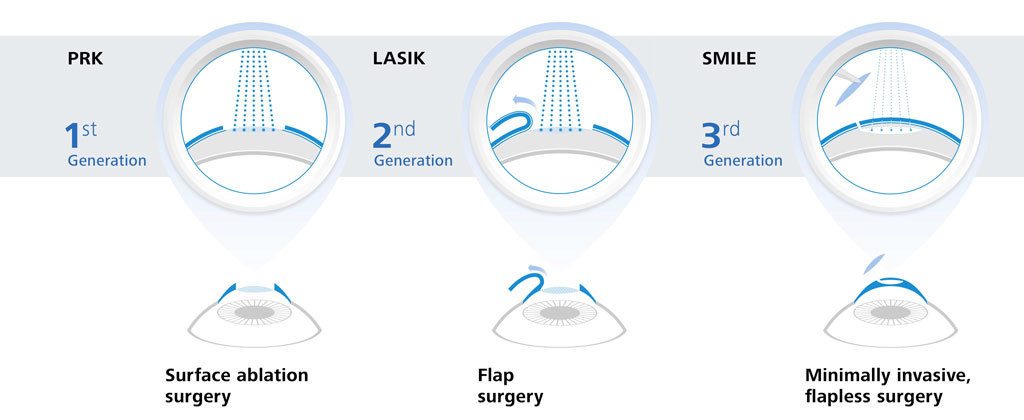
The SMILE procedure, or Small Incision Lenticule Removal, is a minimally intrusive eye surgery developed to remedy vision concerns like nearsightedness and astigmatism.
Throughout this procedure, a laser creates a small lenticule, or lens-shaped cells, within the cornea. You won't require any stitches, as the tiny cut permits a fast recuperation.
The doctor after that eliminates the lenticule through this small cut, reshaping your cornea to boost your vision. Unlike conventional LASIK, SMILE does not require the development of a large flap, which can cause fewer difficulties.
You'll locate that this technique is much less turbulent to the corneal structure, possibly improving security. Recognizing the treatment aids you feel much more certain as you consider your options for vision modification.
Perks of SMILE Eye Surgical Procedure
While considering vision improvement alternatives, you could locate that SMILE eye surgical treatment provides a number of compelling benefits.
Initially, it's minimally invasive, calling for only a tiny incision, which suggests less disruption to your eye framework. This results in quicker healing times and much less discomfort contrasted to typical LASIK.
You'll additionally value its precision; SMILE makes use of sophisticated laser modern technology to improve the cornea, offering exceptional outcomes for nearsightedness and astigmatism.
In addition, several patients report boosted aesthetic quality, with less instances of glare or halos. Because there's https://longevitylive.com/anti-aging/optometrist-kelly-eekhoud-talks-about-improving-your-vision/ for a corneal flap, your eyes remain much more secure post-surgery.
Last but not least, the treatment normally takes just a couple of mins, allowing you to return to your day-to-day activities faster than with various other approaches.
Potential Risks and Recuperation Process
Although SMILE eye surgery is usually risk-free, it is very important to be familiar with possible dangers that can arise throughout or after the procedure. Some individuals may experience temporary negative effects like dry eyes, glow, or halos around lights.
In unusual situations, issues such as infection, vision loss, or the demand for additional surgery can occur.
Recovery normally involves a couple of days of rest and preventing strenuous tasks. You ought to follow your cosmetic surgeon's post-operative instructions meticulously, including making use of recommended eye decreases and participating in follow-up visits.
Numerous clients observe improved vision within a few days, but complete recuperation can take weeks. Staying person and giving your eyes time to heal is crucial for the very best result.
Verdict
Finally, SMILE eye surgical procedure supplies a modern-day, minimally invasive alternative for correcting nearsightedness and astigmatism. With its quicker recovery time and minimized pain, it's an enticing choice for many. However, it's necessary to weigh the prospective dangers versus the benefits. By staying informed and complying with post-operative care, you can maximize your chances of a successful end result. If you're considering this treatment, consult with your eye care specialist to identify if it's right for you.